
Lore
Color Fear lore — the analog horror story of The Color Fun Coloring Show, Peach's motives, and the secrets hidden in the house.
Introduction
The lore of Color Fear is the analog horror story hiding beneath the cheerful surface of The Color Fun Coloring Show. On the surface, the show is a children's program hosted by Peach, who invites you to find colors and present them on the TV. But every layer of the game — the randomized house, the intruders, the warning text on the store page, the unsettling tone of the broadcast — suggests something far darker is happening behind the screen. The developer has confirmed only the basic premise, so the deeper meaning is the subject of intense community theorizing. This category collects everything known about the world of Color Fear: the show's setup, Peach's role and possible motives, the significance of the colors, the house as a set rather than a home, and the analog horror techniques the game uses to unsettle you. The theories here are clearly marked as speculation, because the full story will only be confirmed with the release. If you enjoy piecing together hidden narratives, this is the section for you.
Lore Mysteries Overview
| Mystery | Details | Leading Theory | Status |
|---|---|---|---|
| The Show | Children's program turned survival trial | The show is a trap or experiment | Speculative |
| Peach's Role | Cheerful host, deadly verdicts | Peach knows more than she reveals | Speculative |
| The Colors | Target colors drive each night | Colors may be coded signals | Speculative |
| The House | Randomized rooms and TV positions | The house is a staged set | Speculative |
Lore Theory Cards
The Show
Children's program or trap?
Peach's Role
The host with a hidden agenda
The Colors
What do the colors mean?
The House
A set disguised as a home
Core Mechanics
The lore of Color Fear is delivered through atmosphere rather than exposition. The game never explains the show, the intruders or the player's role in a text dump — instead, it relies on the analog horror toolbox: found-footage framing, CRT textures, broadcast static, warning text on the store page, and environmental storytelling in the randomized house. Each element carries meaning: the cheerful show graphics contrast with the dark rooms, the TV is both your lifeline and your judge, and the intruders are anonymous because the show does not treat them as individuals. The store page's unsettling warning — that people feel like they are still in Color Fear after playing — reinforces the idea that the show's influence extends beyond the screen. The randomized layout serves both gameplay and lore, hinting that the house is a constructed set. Until the release, the full story is assembled from these fragments, and the community theories here represent the best current readings of the available evidence.
Advantages
Engaging with the lore enriches the Color Fear experience far beyond the jump scares. Understanding that the house may be a staged set, that Peach's cheerfulness may hide a deeper agenda, and that the colors may be coded signals turns every night into an investigation rather than just a survival exercise. The lore also explains the game's design choices — why the layout randomizes, why the intruders are anonymous, why the TV is central — which makes the game feel more cohesive and intentional. For players who enjoy horror on a psychological level, the theories here provide a framework for interpreting the show's details, and every new trailer or update can be analyzed for new clues. The lore section also fosters community engagement: sharing observations, testing theories and debating interpretations are part of the fun of analog horror, and this wiki is the place to document those discussions.
Challenges
The lore section's greatest weakness is the lack of confirmed information. The developer has only established the basic premise — a coloring show host gives color orders, intruders hunt you, the game is an analog horror experience — and everything beyond that is community interpretation. The theories here may be partially or entirely wrong, and the full release could reveal a story that contradicts the most popular readings. Because the game uses atmosphere over exposition, there is also a risk of over-reading: a decorative choice like a CRT filter or a random room layout may simply be a stylistic decision, not a hidden clue. The community's tendency to find patterns can produce convincing but unfounded theories, so readers should treat every interpretation here as a hypothesis, not a fact. If the developer releases an official story breakdown, the wiki will update these theories accordingly, but until then the lore remains deliberately open.
Frequently Asked Questions
Is Color Fear connected to a real ARG or hidden story?+
What is the meaning of the store page warning?+
Why does the house randomize every night?+
Quick Tips
Read the store page warning carefully — it is part of the experience. The developer's official description is deliberately unsettling, and the typo-filled warning text is a classic analog horror device. Reading it before playing sets the right mood and gives you context for the show's darker undertones. A moment of focus before starting changes how you read the show.
Pay attention to Peach's wording across multiple nights. Lore theorists believe her instructions may contain coded messages or inconsistencies that reveal the show's true nature. Even if the clues do not affect gameplay yet, noticing them deepens the experience and prepares you for reveals in the full release. Close attention is the best preparation for the story ahead.
Do not let lore theories spoil your first run. The game is at its best when you experience the mismatch between the cheerful show and the deadly house firsthand. Play through the demo or full game once without reading too much, then come back to the theories and see which details you noticed on your own.
Featured
Color Fear Lore: Story, Theory, and Backstory
Explore the Color Fear lore with the story, theories, hidden meaning, secrets, and backstory that define the analog horror world of the show.
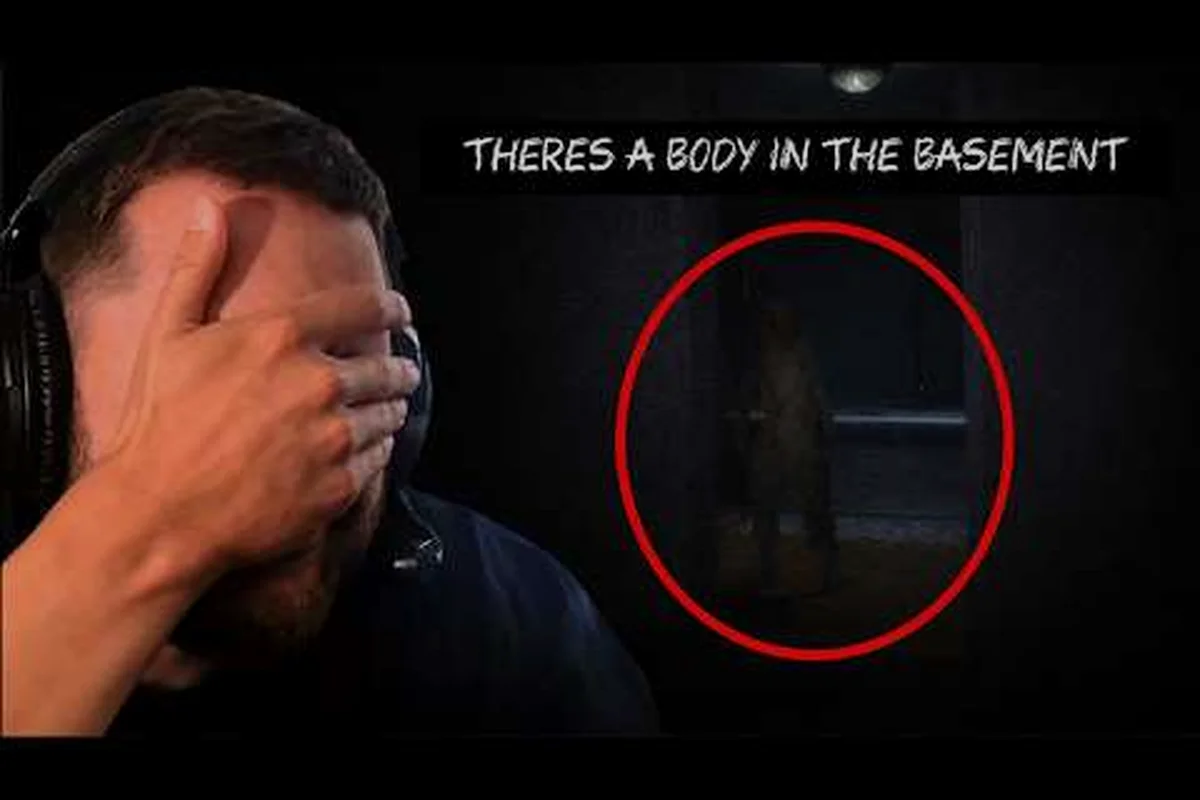
Color Fear Story Explained: The Color Fun Show and Peach's Role
Unpack the Color Fear story explained through The Color Fun Coloring Show, breaking down Peach's true role, the warning broadcast, and the analog layers.

Color Fear Story Summary: Everything Explained and Peach Meaning
A full Color Fear story summary that breaks down everything, from the characters lore and Peach meaning to the existential horror and the show explained.
All Articles
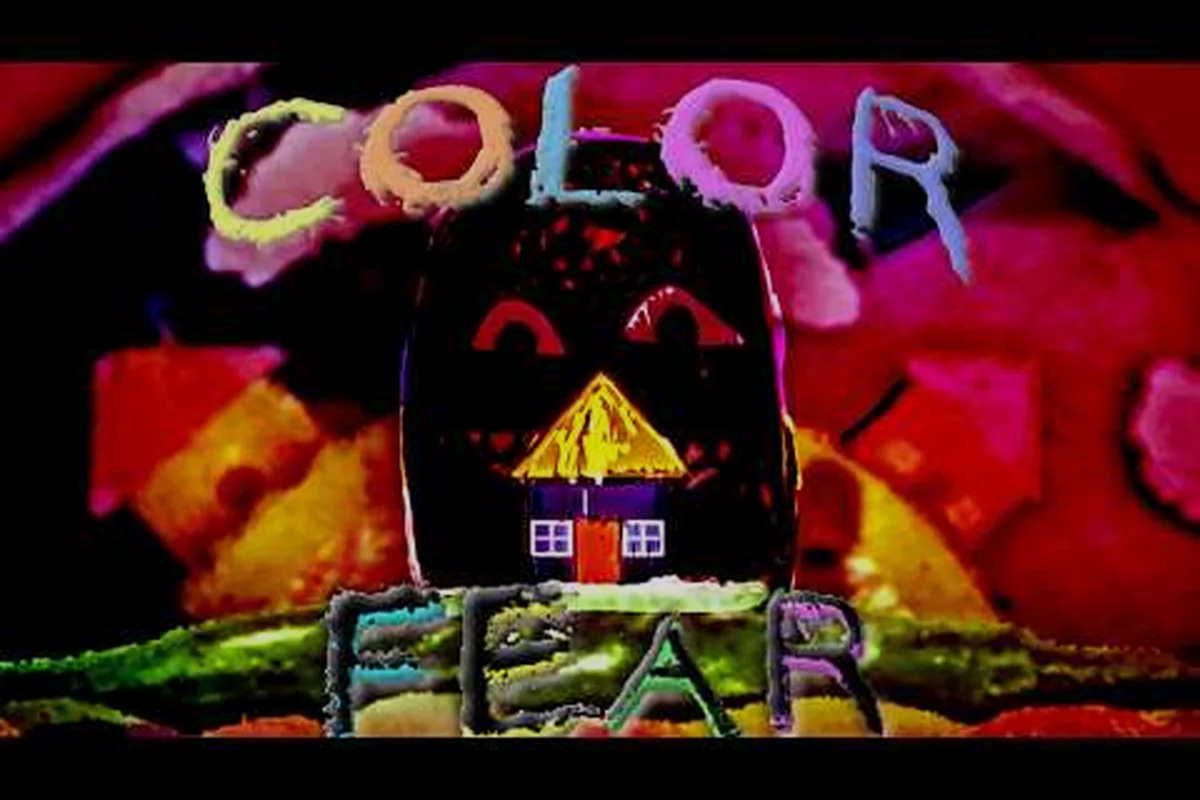
Color Fear Color Symbolism: Red Meaning and TV Horror
Decode Color Fear color symbolism behind each night's color, the red meaning, the warning message, and the psychological horror after playing.
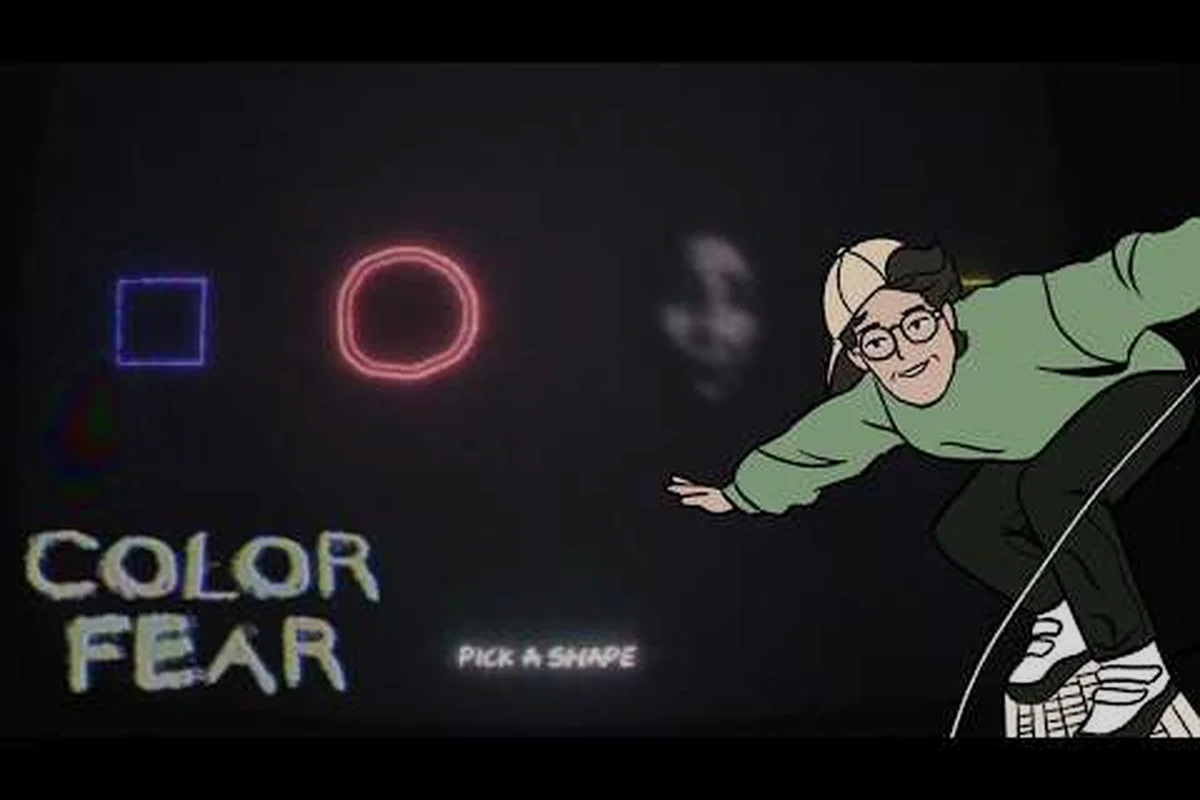
Color Fear Found Footage: Story Analysis and Deep Dive
Analyze the Color Fear found footage style, the lore Reddit theories, the ending meaning, and a deep dive into the full story and what it hides.
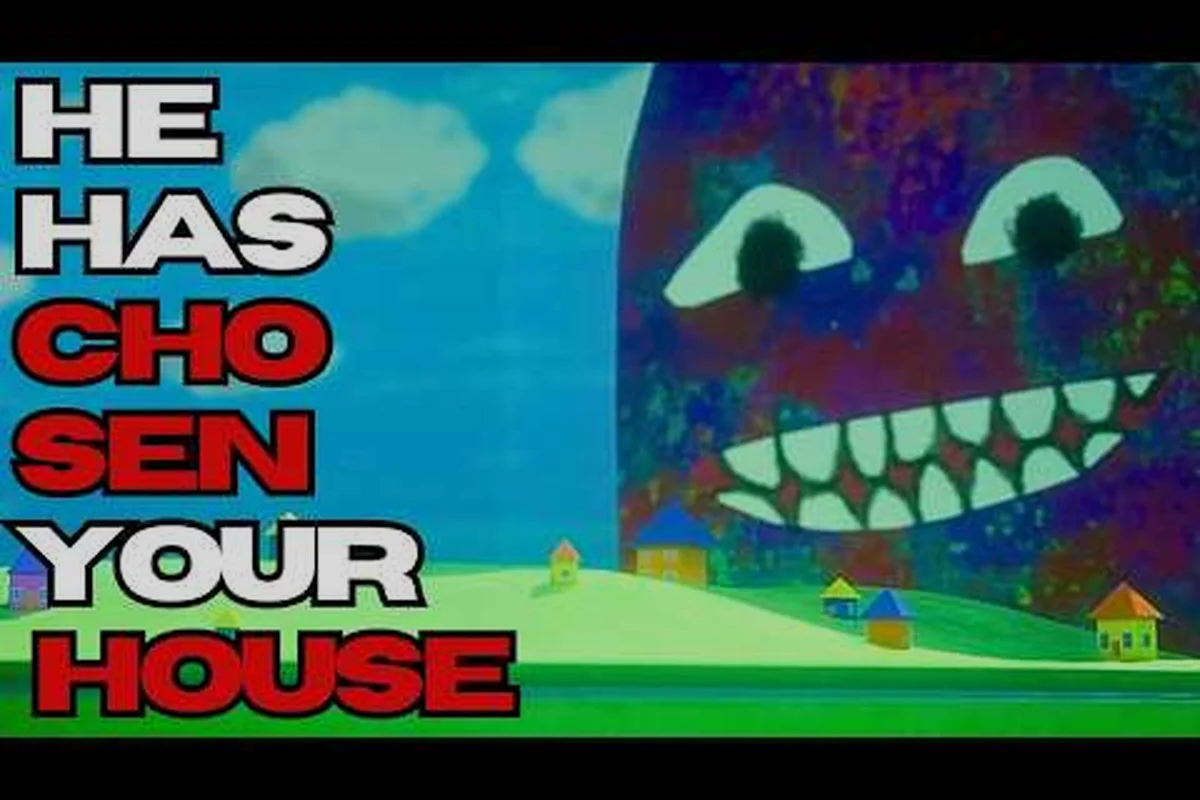
Color Fear Timeline: TV Lore, Inspiration, and References
Map the Color Fear timeline with the TV lore, the inspirations the game is based on, its references, and whether the show works as a metaphor.
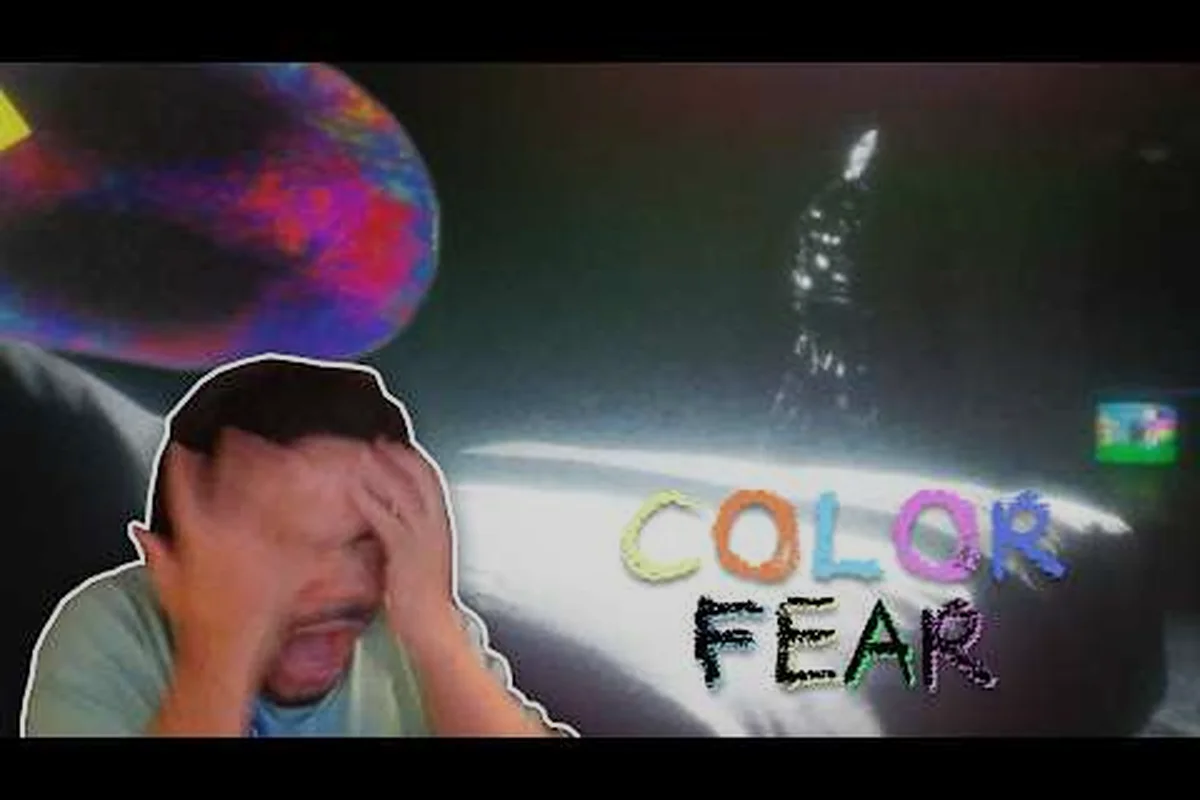
Color Fear Hidden Secrets: Easter Eggs and House Lore
Dig into Color Fear hidden secrets with easter eggs, hidden lore, why everyone is in the house, and what the show really asks of its viewers.