
Characters
Color Fear characters — profiles of Peach and the cast of The Color Fun Coloring Show, plus the intruders that stalk the house.
Introduction
The characters of Color Fear are the cast and threats of The Color Fun Coloring Show, the analog horror program at the center of the game. The most prominent character is Peach, the show's host, who gives nightly color instructions and judges your answers on the TV. Around her is a supporting cast of show characters who appear during the broadcast and can be targeted by the Hitman upgrade. Then there are the intruders — anonymous threats who break into the house with unique hunting behaviors and no interest in the show's rules. Understanding the characters matters for more than lore: who survives each night and who you remove with the Hitman is believed to influence which endings you can reach. This category profiles every known character, from Peach's role and mannerisms to the unnamed intruders and the player character. The information is drawn from official trailers, the Steam store page and community observations; details about the supporting cast and the player's identity are speculative until the developer confirms them.
Cast & Threat Reference
| Character | Role | Importance | Notes |
|---|---|---|---|
| Peach | Show host | Core | Gives nightly color orders, judges TV answers |
| Cast Members | Supporting cast | Medium | Can be removed by the Hitman; affect endings |
| Intruders | Hostile threats | High | Hunt you with unique abilities |
| The Player | Protagonist | Core | Identity and backstory are speculative |
Character Profiles
Peach
The host of The Color Fun Coloring Show
Cast Members
The show's supporting characters
Intruders
The house's anonymous threats
The Player
The protagonist of the show
Core Mechanics
Characters in Color Fear serve three mechanical roles. First, Peach drives the nightly loop: her color instructions are the objective you must complete, and her TV verdicts determine success or failure. Second, the cast members matter to progression — the Hitman upgrade lets you remove your least favored cast member, which thins the roster and is believed to change the show's direction and the endings available to you. Third, the intruders are the survival threat: they hunt you with unique abilities and must be avoided or countered during the color hunt. The player character is a passive vessel, with no combat or dialogue, which reinforces the horror tone. Because the game randomizes which cast members appear and which intruders show up, each run features a slightly different cast composition. Managing the cast deliberately — choosing who to remove with the Hitman, tracking who survives — appears to be one of the strategic levers the game gives you, alongside channel choices and nightly objectives.
Advantages
Understanding the characters gives you both practical and narrative advantages. Practically, knowing that cast survival may influence endings lets you plan your Hitman usage deliberately instead of removing characters at random. Tracking who appears each night and who you remove creates a strategy layer that turns the show into a branching puzzle. Narratively, the characters are the heart of the analog horror experience — recognizing Peach's cheerful facade, the cast's role in the broadcast, and the intruders' anonymity deepens your appreciation of the story the game is telling. For lore hunters, the characters are the main source of clues: Peach's wording, the cast's behavior and the intruders' design all hint at the show's true nature. The character guides here compile the known profiles, the speculations and the practical implications, so you can both survive the house and understand the show.
Challenges
The character system's biggest weakness is how much is unknown. The developer has confirmed Peach and the general premise, but the full cast list, their backstories, the player character's identity and the intruders' complete roster are not officially documented. Most character lore is therefore speculative, assembled from trailers, the store page and community observations, and it may change at launch. Practically, the cast matters mostly through the Hitman mechanic, which is expensive and requires you to commit to removing a character before you fully understand the show. There is also no dialogue or character interaction beyond the TV and the shop, so characters remain distant and largely symbolic. If you are hoping for deep character development, Color Fear is not that kind of game — the characters are atmospheric pieces of the horror puzzle, not companions you bond with. Treat the profiles here as a working map, not a definitive cast list.
Frequently Asked Questions
Who is Peach in Color Fear?+
Can the Hitman remove any cast member?+
Who do you play as in Color Fear?+
Quick Tips
Track which cast members appear each night. Cast survival is believed to influence the endings, and knowing your roster lets you plan Hitman purchases and predict which characters are at risk. A simple note of who appears and who you remove is enough to start spotting patterns across runs. Repeating this habit every run makes the cast track easy to manage.
Use the Hitman only when you understand the cast. Removing a character too early can lock you out of content or steer you toward an ending you did not want. Play at least one clean run to see the full cast before you start eliminating anyone from the show. That patience pays off with more options later.
Pay attention to Peach's wording, not just the color name. Lore theories suggest her instructions may contain clues about the show's true nature. Even if the clues do not affect gameplay yet, noticing them deepens the analog horror experience and prepares you for reveals in the full release. The habit of close listening is worth building early.
Featured

Color Fear Character List: Cast Members and Every Role
Walk through the Color Fear character list with the full cast of The Color Fun Coloring Show, every named role, and who matters to each ending.
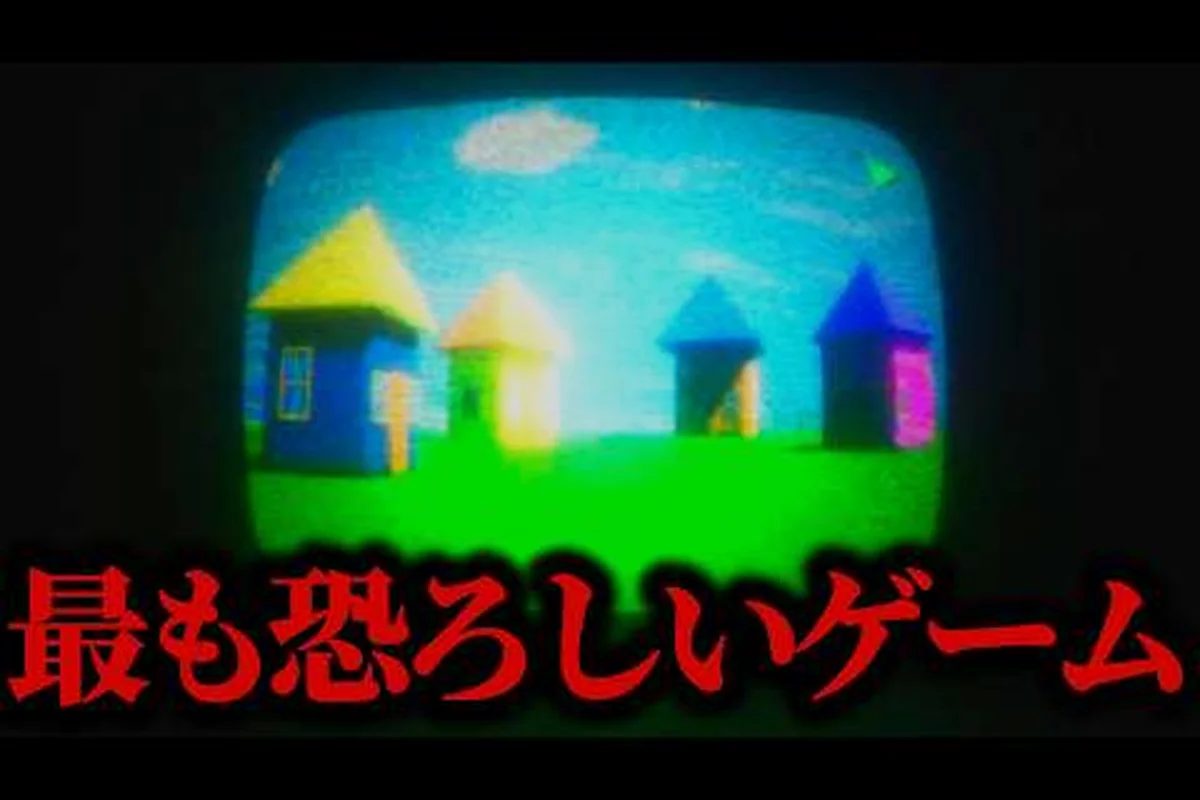
Color Fear All Cast Members Names: Lore and Evil Theories
List all cast members names in Color Fear with character lore, whether Peach is evil, the villain theories, and every named role to track.
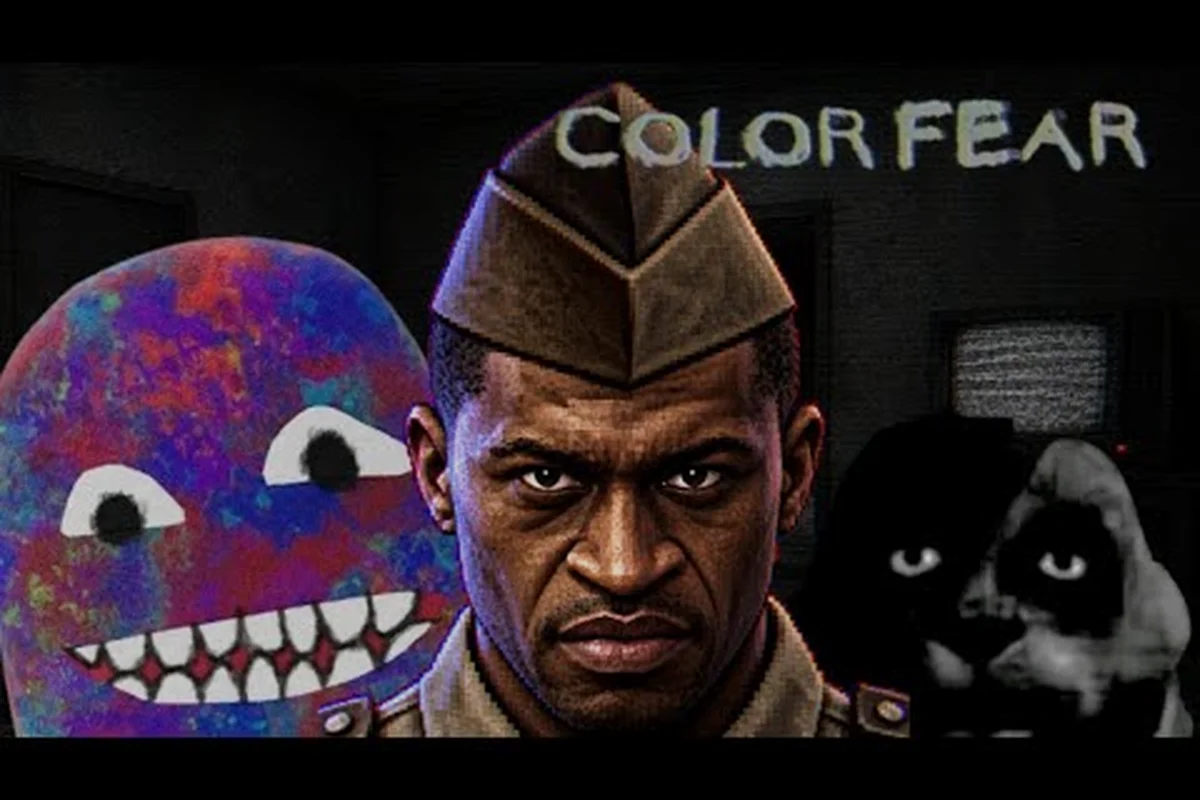
Color Fear Cast Member Elimination: Deaths and Hitman Target
Understand Color Fear cast member elimination, what happens to cast members, the player character, and who the Hitman should target first.
All Articles
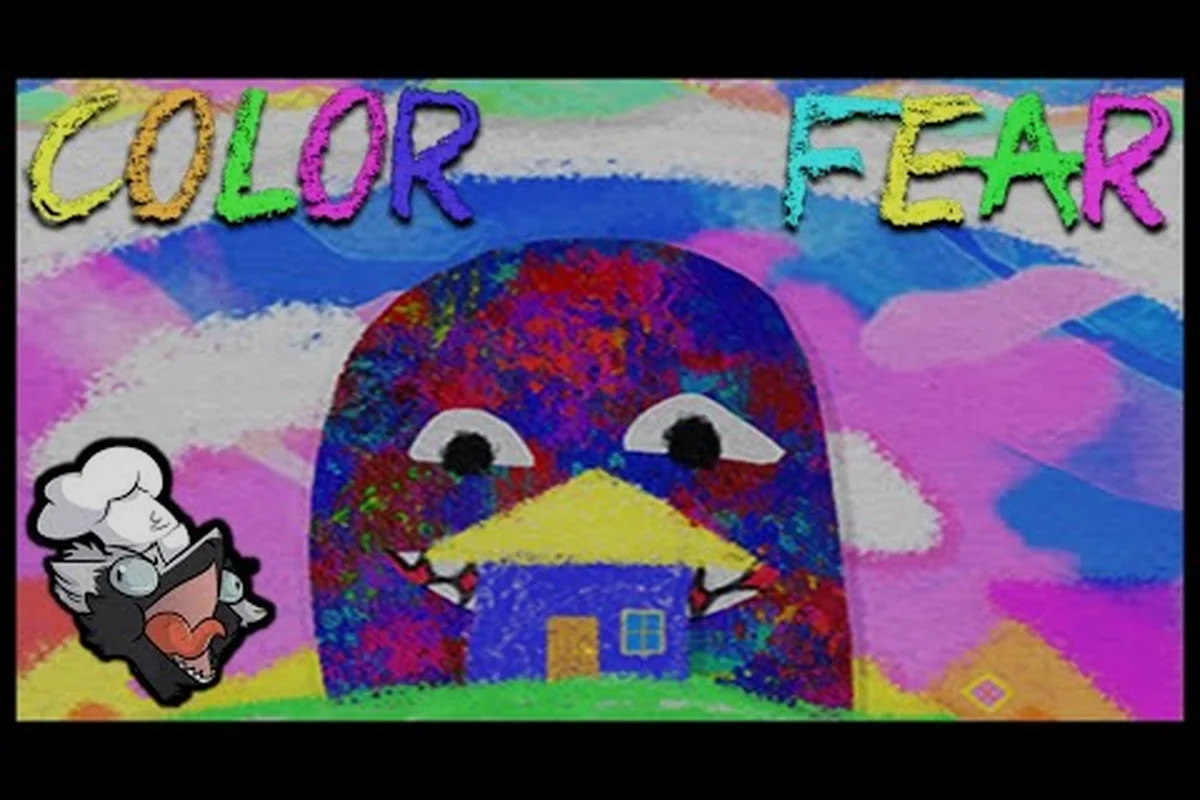
Color Fear Characters Wiki: Named Roles, Peach, and Cast
Use this Color Fear characters wiki for every named role, the host Peach, the full cast, the antagonist, and the character endings to track.

Color Fear Show Host: The Color Fun Coloring Show Cast
Meet the Color Fear show host and the cast of The Color Fun Coloring Show, plus the intruder characters and the profiles behind each persona.
Color Fear Who Voices Peach: Voice Actor and Tier Rankings
Find out who voices Peach in Color Fear, the voice actor behind the host, and how character tier rankings compare across the show cast.

Color Fear Host Peach: TV Role, Nightly Orders, and Show Profile
Get to know the Color Fear host Peach, the Color Fun Coloring Show presenter who assigns your nightly color request, judges your TV answer, and drives the loop.